
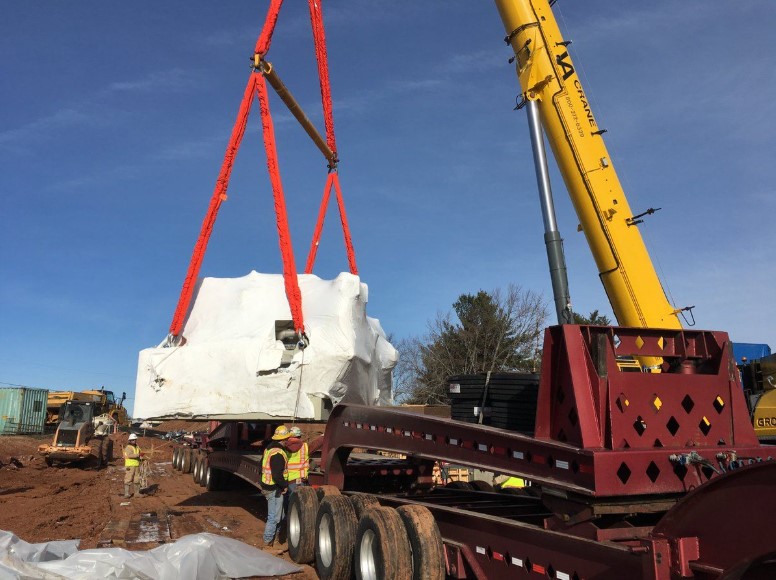
Construction sites are bustling, complicated environments. Materials arrive constantly, crews move in different directions, and timelines are tight. Managing all of this requires precise planning. Without the right equipment, even simple tasks can become stressful and inefficient. One of the key tools in modern construction management is the crane. Understanding how to handle heavy loads efficiently can save time, reduce risks, and keep projects on schedule.
Crane Rental Offers Flexibility On Site
Crane rental refers to hiring cranes temporarily instead of purchasing them outright. This approach is ideal for projects that need heavy lifting for a short duration. Rental services allow contractors to choose from a variety of crane types. Each crane is suited for specific tasks, whether it’s lifting steel beams, moving concrete, or handling bulky equipment. Opting for crane rental ensures that construction teams can adjust to project demands without the burden of owning costly machinery. Crane rental provides the flexibility every construction site needs.
Streamlining Material Handling With Crane Rental
Material handling is one of the most critical logistics challenges on construction sites. Delays in moving heavy materials can stall the entire workflow. Cranes make it possible to lift and transport large items quickly and safely. Using crane rental means having access to specialized equipment that might not be needed permanently. Contractors can select cranes designed for maximum efficiency in limited spaces. This improves safety and ensures that materials reach their destinations on time, proving why crane rental is a smart logistical choice.
Enhancing Safety With Professional Crane Operations
Safety is non-negotiable on a construction site. Improper handling of heavy equipment can lead to accidents and project delays. When contractors use crane rental services, they often gain access to trained operators. These professionals understand the risks and know how to maneuver loads safely. This reduces the chances of injury and protects expensive materials. Beyond equipment, the human element matters. Crane rental often includes guidance or support that helps the entire site run more safely.
Cost Efficiency And Reduced Maintenance
Owning a crane involves a significant investment. There are purchase costs, maintenance expenses, and storage concerns. For many construction companies, these costs outweigh the benefits. Crane rental offers a cost-effective alternative. Contractors pay only for the duration they need the equipment, avoiding long-term financial commitments. Maintenance is handled by the rental company, freeing the construction team from additional responsibilities. In this sense, crane rental is not just convenient—it’s financially practical.
Adapting To Complex Project Timelines
Construction projects rarely follow a straightforward timeline. Delays in one phase can cascade into others, creating logistical headaches. Crane rental allows teams to adapt to these changes. A larger crane can be brought in for heavy lifting when needed. Smaller cranes can be swapped in for tighter spaces. This adaptability ensures that the construction schedule stays on track, no matter how complex the site becomes. Crane rental acts as a flexible tool that responds to the dynamic nature of building projects.
Conclusion
Managing complex construction site logistics demands foresight, planning, and the right equipment. Cranes play a central role in moving heavy materials, ensuring safety, and keeping projects on schedule. Crane rental offers flexibility, cost efficiency, and professional support that outright ownership may not provide. By incorporating crane rental into construction planning, contractors can navigate challenges smoothly. It’s a practical solution that enhances efficiency and makes even the most complicated projects more manageable.

