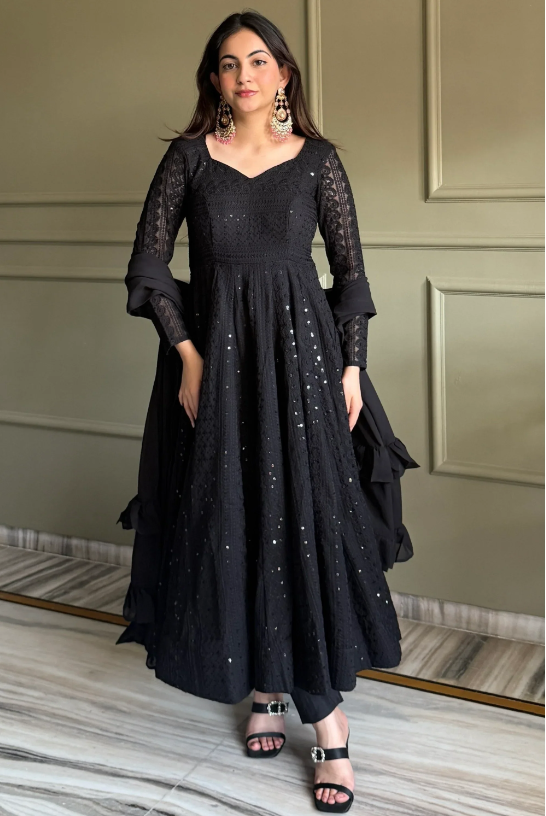
Color has always played a significant role ethnically. For generations, certain shades were closely associated with specific occasions, traditions, and cultural practices. While these associations continue to hold value, modern fashion is becoming increasingly diverse and flexible. Consumers today are exploring a wider range of colors than ever before, choosing garments based on personal style, aesthetics, and the nature of the occasion rather than relying solely on traditional expectations.
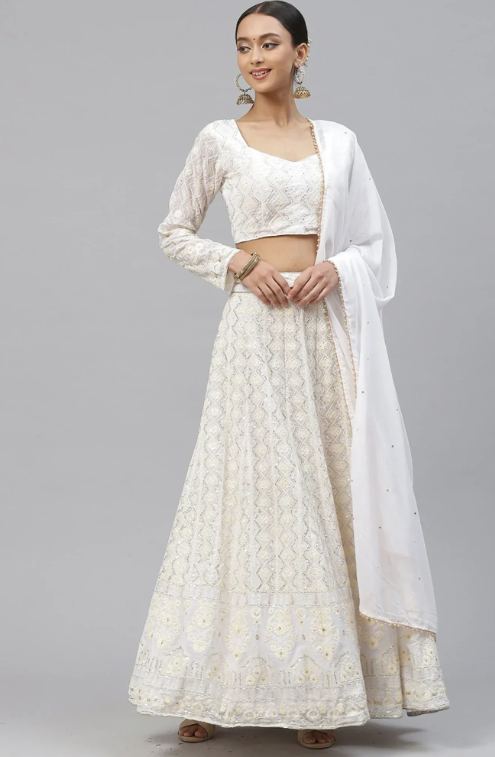
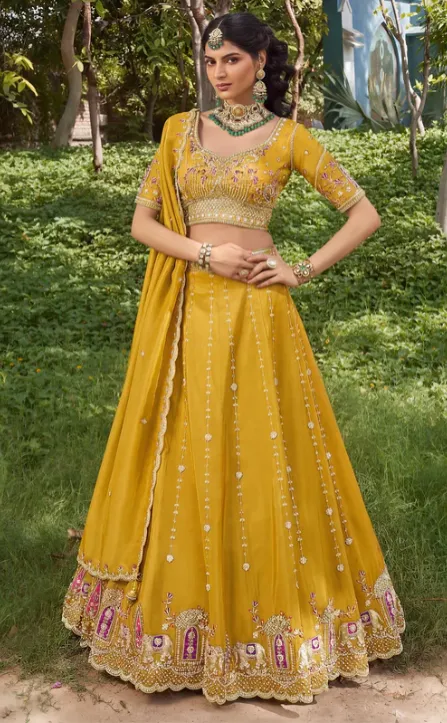
The growing popularity of the White Lehenga and Yellow Lehenga Choli reflects this transformation. These styles highlight how contemporary ethnic fashion is embracing greater color diversity while encouraging individuality and creative expression. Their success demonstrates that modern consumers value choice and versatility as much as tradition.
The Evolution of Color in Ethnic Fashion
Historically, color choices in ethnic wear were often influenced by customs, regional traditions, and symbolic meanings. Certain shades became strongly connected with particular ceremonies or celebrations, creating long-standing fashion conventions.
However, fashion is constantly evolving, and modern consumers are increasingly open to experimentation. Rather than limiting themselves to established color preferences, many individuals are exploring a broader spectrum of shades that align with their personal tastes.
This shift has expanded the possibilities within ethnic fashion, encouraging designers to create collections that appeal to a more diverse audience.
As a result, color diversity has become an important feature of contemporary style.
Why Consumers Are Embracing More Color Choices
One of the defining characteristics of modern fashion is the emphasis on individuality. Consumers increasingly seek clothing that reflects their personality and lifestyle rather than simply following traditional expectations.
This desire for self-expression has encouraged greater acceptance of a wider variety of colors within ethnic wear. People now view color as a creative tool that helps communicate mood, identity, and personal preferences.
The popularity of the White Lehenga demonstrates how consumers are becoming more comfortable exploring shades that may once have been considered unconventional for certain occasions.
This growing openness is helping reshape fashion norms across the industry.
The Influence of Changing Celebrations
Celebrations themselves have changed significantly in recent years. Weddings, festivals, and social gatherings are becoming increasingly personalized, often reflecting the unique preferences of the individuals involved.
As celebrations evolve, fashion naturally follows. Consumers now seek outfits that align with the atmosphere and style of an event rather than relying solely on traditional color guidelines.
The continued popularity of the Yellow Lehenga Choli highlights how modern fashion allows individuals to select colors that suit their vision for a celebration.
This flexibility is contributing to a more diverse and inclusive approach to ethnic wear.
How Designers Are Expanding Color Palettes
Designers play an important role in shaping consumer preferences. By introducing fresh color combinations and innovative interpretations of traditional garments, they encourage consumers to explore new possibilities.
Contemporary ethnic fashion increasingly features a wide range of color palettes that move beyond conventional choices. Rather than focusing on a limited selection of shades, designers are creating collections that celebrate variety and creativity.
This approach allows consumers to discover colors that resonate with their individual style while preserving the cultural significance of traditional attire. The result is a more dynamic and adaptable fashion landscape.
The Growing Importance of Personal Style
Fashion today is often viewed as a form of personal expression. Consumers are less concerned with rigid rules and more interested in selecting clothing that feels authentic to them.
Color plays a central role in this process. Different shades create different impressions, allowing individuals to communicate aspects of their personality through fashion choices.
The popularity of styles such as the White Lehenga and Yellow Lehenga Choli reflects a broader movement toward fashion that prioritizes personal preference over convention.
This shift is encouraging greater creativity and confidence in style decisions.
What Color Diversity Means for the Future of Fashion
The increasing acceptance of diverse color choices suggests that ethnic fashion will continue to evolve in exciting ways. Consumers now expect greater variety and flexibility, encouraging designers to experiment with new palettes and interpretations.
This trend supports a more inclusive fashion environment where individuals can explore different styles without feeling restricted by traditional expectations.
As color diversity becomes more widely embraced, ethnic fashion will continue to balance cultural heritage with contemporary creativity.
The future of fashion is likely to be defined by choice, individuality, and innovation.
Final Thoughts
The growing popularity of the White Lehenga and Yellow Lehenga Choli reflects a broader shift toward color diversity in modern ethnic fashion. As consumers increasingly value personal expression and creative freedom, traditional color conventions are giving way to more flexible and inclusive approaches.
By embracing a wider range of shades and styles, contemporary fashion is creating new opportunities for individuality while preserving the beauty and significance of ethnic wear. This evolution demonstrates how color continues to shape fashion in meaningful and innovative ways.