
Introducing an unfamiliar epoxy product into a large flooring project requires careful planning. Even experienced contractors may encounter differences in mixing procedures, application characteristics, or working time when changing materials. A product that performs well in one setting may require different preparation or installation methods elsewhere.
Professionals researching an epoxy resin store los angeles may be comparing materials for upcoming projects. Before committing to a full installation, a controlled trial can help contractors understand product behavior under relevant conditions. Testing should follow manufacturer instructions and complement, rather than replace, technical documentation and appropriate substrate assessment.
Begin With a Clearly Defined Objective
A material trial should answer specific questions. Contractors may want to evaluate application consistency, visual appearance, working characteristics, or compatibility with a proposed substrate. Without a clear objective, the results can become difficult to interpret.
Before testing, the team should identify what information is needed and which conditions must remain consistent. The selected material should also be suitable for the intended application according to manufacturer specifications.
A trial should not be used to justify an application that the manufacturer does not recommend.
Choose a Representative Test Area
A small test area can provide useful information, but its location matters. Concrete conditions may vary across a building because of previous repairs, moisture exposure, surface contamination, or construction differences. Contractors should select an area that reasonably represents the intended installation conditions.
Where the substrate varies significantly, more than one assessment may be necessary. The trial should also follow the preparation requirements specified for the product. Applying material to inadequately prepared concrete may produce observations that do not represent the intended installation process.
Review Product Information Before Mixing
Different resin products may have specific requirements concerning component ratios, application temperatures, working time, and surface preparation.
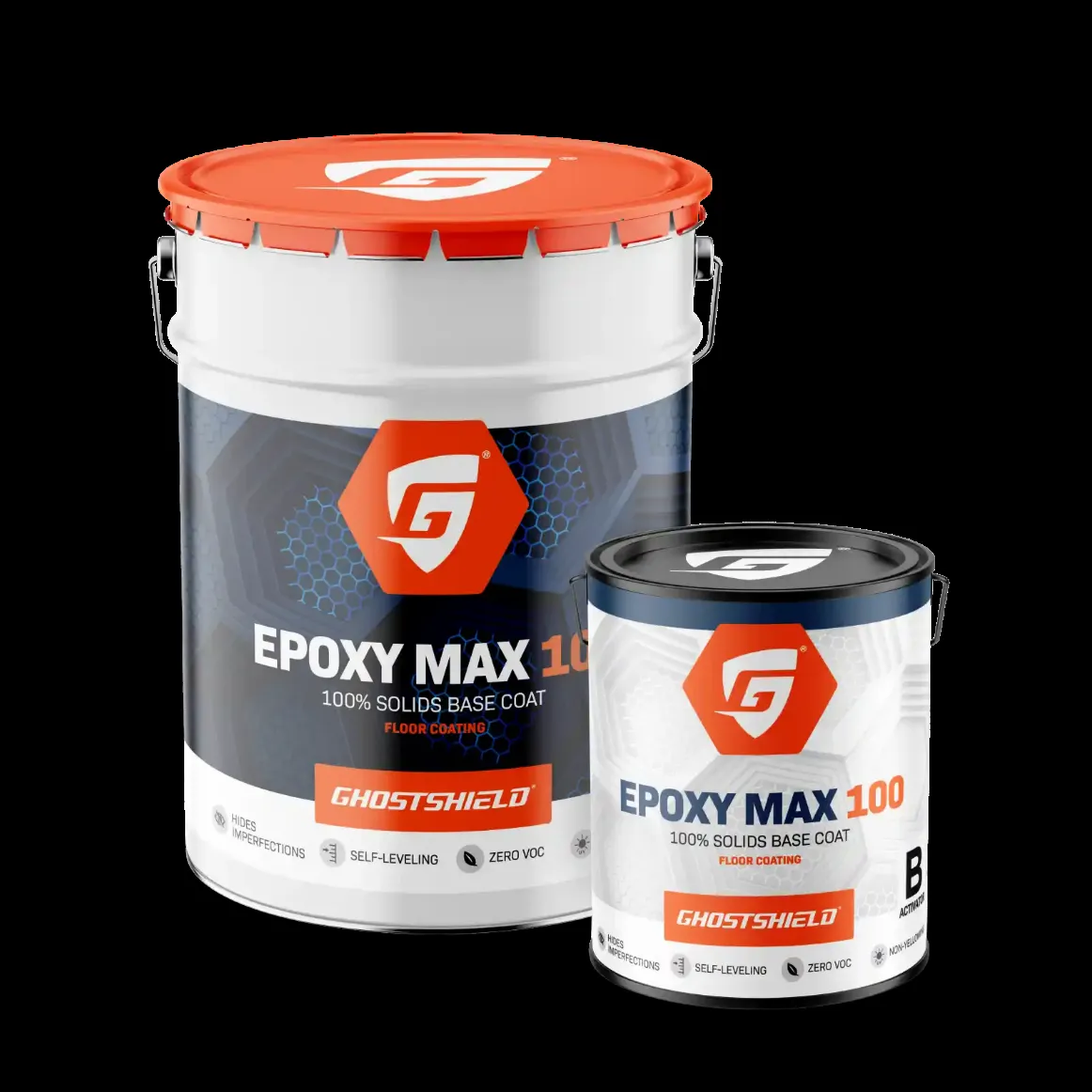
Contractors researching epoxy max 100 los angeles should consult the product’s current technical documentation before planning a trial. The product name alone does not establish its suitability for a particular project.
Installers should verify the manufacturer’s specified mixing and application procedures rather than relying on experience with another resin system. Where instructions are unclear, obtaining clarification from the manufacturer or supplier is preferable to experimenting with unsupported methods.
Record the Conditions During Application
A trial becomes more useful when the team documents the circumstances under which it was completed.
Temperature, substrate condition, preparation methods, and application timing may all influence observations.
A practical record can include:
-
Product identification: Record the material and relevant batch information.
-
Substrate condition: Document preparation and visible characteristics.
-
Environmental conditions: Note relevant temperatures and other required measurements.
-
Mixing procedure: Confirm the manufacturer’s specified method.
-
Application observations: Record handling characteristics and any unexpected behavior.
These details can help contractors compare results without relying entirely on memory.
Appearance Should Be Evaluated Carefully
Decorative resin systems may produce different visual results depending on application technique, substrate characteristics, and environmental conditions. A small sample can help establish expectations about color, texture, or finish. However, a limited test area cannot guarantee that a much larger installation will appear identical.
Lighting conditions may also influence how the surface looks after application. Contractors should explain these limitations to clients before final approval. Physical samples are useful references, but they should not be presented as guarantees of perfect visual consistency.
Working Time Influences Crew Planning
Large flooring installations require coordination between mixing, material transport, application, and finishing activities. A small trial may help installers become familiar with the workflow, but it cannot independently establish production rates for every project.
Crew size, floor layout, access restrictions, and equipment availability can influence how efficiently work proceeds. Contractors should compare trial observations with manufacturer guidance and realistic site conditions. The objective is to develop a suitable installation plan rather than assume that the time required for a small sample can be multiplied directly across the entire floor.
Understand What a Trial Cannot Prove
A successful trial does not automatically establish long-term durability, chemical resistance, or compliance with project specifications. Those characteristics may require manufacturer performance information, appropriate testing, or other technical evidence. Contractors should distinguish between observations made during application and claims about future performance.
Where a project has specialized requirements, qualified technical advice may be necessary.
A trial is most valuable when used as one part of a broader material evaluation process rather than as the sole basis for product selection.
Conclusion
Small-scale material trials can help epoxy contractors understand unfamiliar products before beginning larger installations. Clear objectives, representative substrates, correct mixing procedures, and documented application conditions make the observations more useful. However, a successful sample cannot replace manufacturer specifications or guarantee long-term performance. Professionals exploring materials through whatittakesla.com can consider these steps when evaluating products for upcoming work. By combining controlled trials with appropriate technical information and realistic project planning, contractors can make more informed decisions without relying on assumptions about how unfamiliar materials will behave.
