

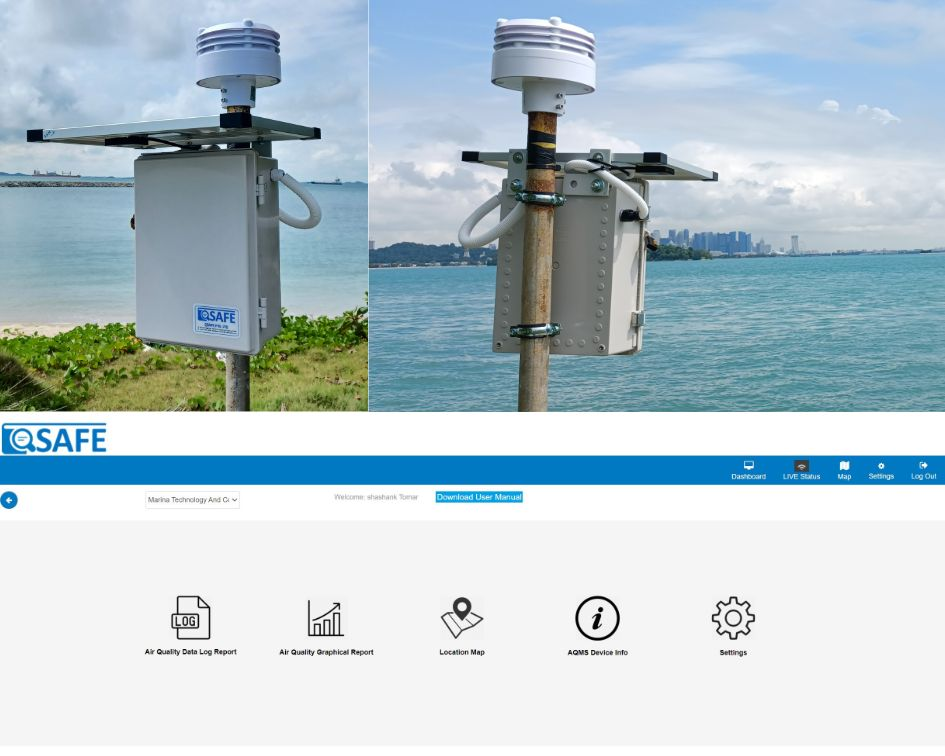
Air quality used to be measured with bulky equipment and lab analysis that took days to deliver results. Today, connected sensors and the Internet of Things have changed everything. A modern dust monitoring system can stream live readings to a dashboard or phone, turning the air around us into actionable data. Here’s how this technology actually works.
From Sampling to Streaming Data
The shift from periodic testing to continuous, connected monitoring is the core breakthrough.
● Optical sensors detect particles as air passes through
● On-board processing converts readings into PM2.5 and PM10 values
● Wireless modules push data to the cloud in real time
● Dashboards and alerts flag spikes the moment they occur
Why Real-Time Data Changes the Game
A traditional snapshot tells you what the air was like hours ago. A real time dust monitor tells you what it’s like right now, which means problems get caught early. As the AirNow particle pollution guide explains, continuous monitoring data is essential for protecting public health. For factories, sites and smart cities, that immediacy is invaluable. To see how connected monitoring hardware is built, you can explore this resource.
Inside a Connected Dust Sensor
At the heart of these devices is a light-scattering sensor: as particles pass a light beam, they scatter it, and the device calculates particle concentration from that scatter. Pair this with calibration and connectivity, and you get accurate, live air quality data. National real-time air quality systems are built on exactly this kind of continuous sensing.
Building Smarter Environments
The real value comes when this data drives decisions — ventilation that responds to readings, alerts that trigger action, and records that prove compliance. For organisations exploring monitoring technology for their own sites, you can learn more about the available systems.
Frequently Asked Questions
How do IoT dust sensors measure air quality?
Most use optical (light-scattering) sensors: particles scatter a light beam, and the device calculates PM2.5 and PM10 concentrations, then transmits the data wirelessly in real time.
What is the advantage of real-time monitoring?
It catches pollution spikes as they happen rather than hours later, enabling immediate action, automated alerts, and accurate, continuous records for compliance.
Can dust monitoring data be accessed remotely?
Yes. Connected dust monitoring systems send readings to cloud dashboards and mobile apps, so air quality can be viewed and managed from anywhere.