Maintaining and improving your home’s energy efficiency requires more than quick fixes and unplanned changes. A truly functional and energy-efficient home relies on an interconnected ecosystem: your climate control system and insulation barriers, a professional HVAC system installation, and natural light and air circulation.
Modern homes are built on smart innovation and functional layouts that help these natural resources work together with technological advancements. Neglecting these upgrades can make your home outdated and reduce its market value, compared with a home that is well maintained and equipped with these smart appliances. Let’s have a look at the core details of how minor changes can elevate your home comfort and stability, as given below
Upgrade Home Insulation
The most effective way to drastically improve your home’s energy efficiency is upgrading your home insulation because it directly cuts down your heating and cooling costs. It’s important to invest in these upgrades because without proper insulation, your home actively fights against your climate control, resulting in constant outdoor drafts in your living area that force the system to work more.
By adding blown-in cellular or fiberglass batt insulation to your attic, homeowners can improve their home’s heating and cooling system as the seasons change. These insulations create a shield and protective layer that act as a barrier against harsh weather and restore your home comfort.
Consider Professional AC Installation
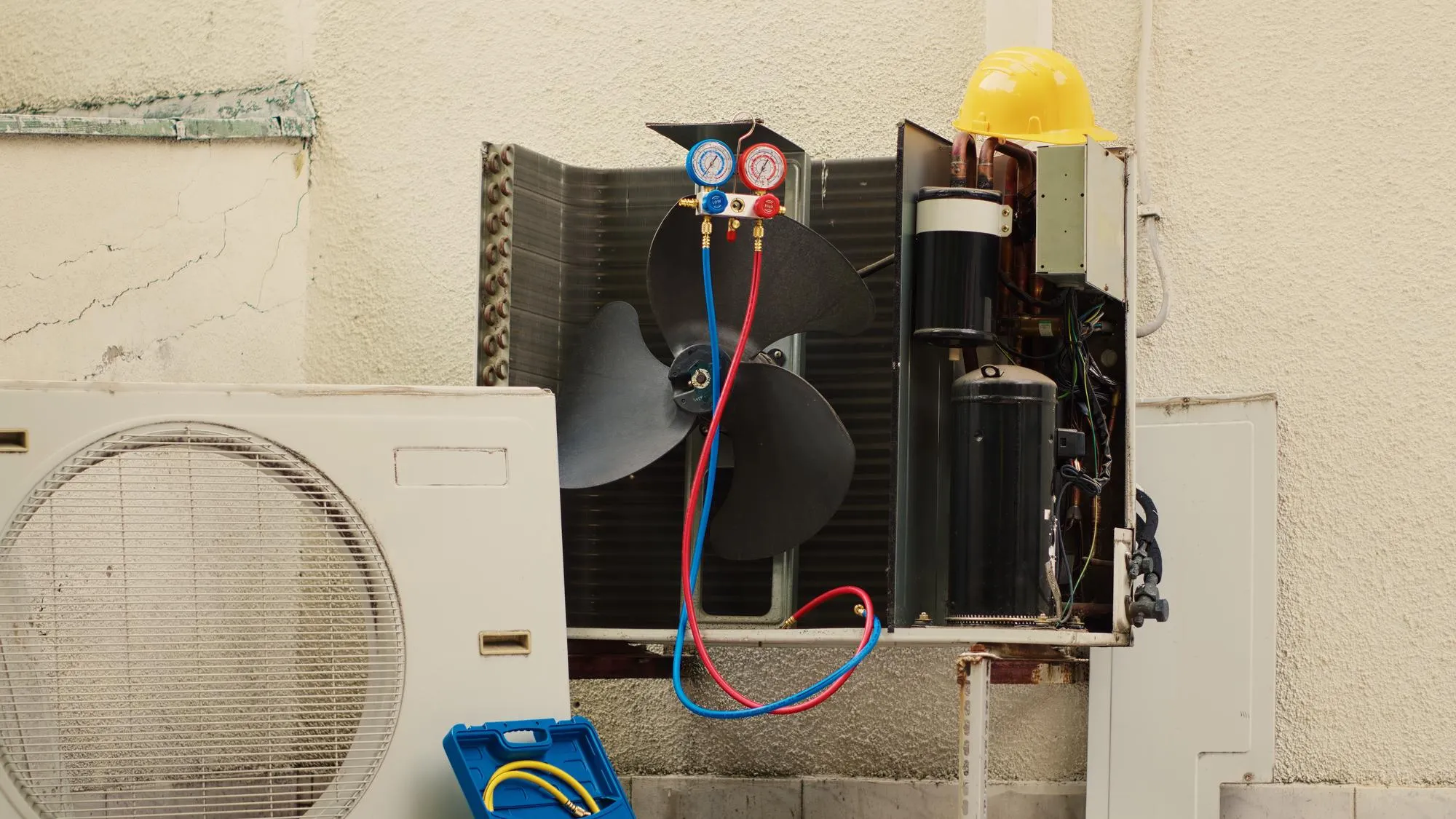
The air conditioner is likely the most costly and highest-energy consumer in your home, and just buying an inverter will not resolve the issue. To ensure your cooling system works properly, consider hiring a professional to optimize the system for your specific living space without errors. Hiring an expert to complete the AC install process provides a sense of assurance to homeowners that your home is in safe hands.
Professionals take the time to assess the system size, calculate the exact cooling load, and consider local climate trends to prevent short cycling instead of relying on guesswork. An expert also strategically places the outdoor condensers in the shade and a well-ventilated area, ensuring effective performance.
Improve indoor ventilation
Investing in home insulation and AC installation is useless if the conditioned air cannot circulate properly throughout your home. For that purpose, homeowners can add air diffusers and purifiers to optimize their duct systems, balance indoor air, and eliminate annoying hot spots, improving energy efficiency .
It’s recommended to add multi-cone or linear air diffusers at your vents to help direct the air along your ceiling and walls and gently mix it to create an even, draft-free room temperature. It’s beneficial to seal the vents with mastic tape because leaky ducts can waste up to 30% of your cooling system’s output before it ever reaches your living space.
Maximize Natural Lighting
The ultimate form of energy efficiency is to maximize the use of free, natural resources rather than flip a mechanical switch. By eliminating your reliance on the electrical grid and allowing natural light to flow through your home, you not only reduce electricity costs but also experience a refreshing impact on your mental and physical health.
Opening windows, especially during the winter season, lets solar radiation warm your room naturally, and in summer, using light-filtering sheer curtains bounces ambient light in your home without absorbing extra and intense heat. These measures help improve your quality of life, enhance functionality, and increase comfort.