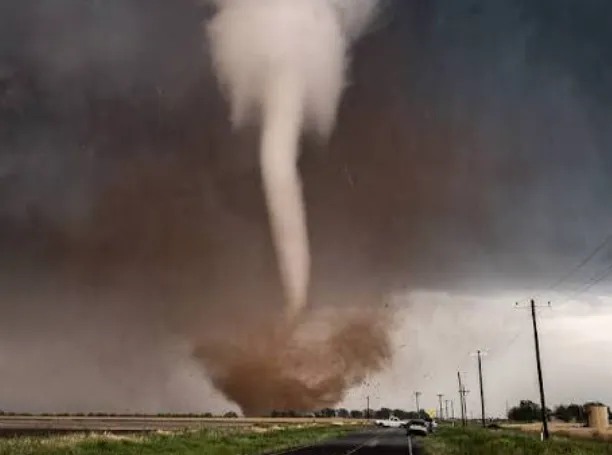
Storm systems can change fast, and 2027 may bring many days worth of watching across the central United States. Storm chasing 2027 will depend on careful study of moisture, heat, wind, pressure, and storm motion. These factors work together, often shifting within hours. Wichita, Kansas, sits near a region where warm, moist air can meet cooler and drier air from the west. That setup can support strong thunderstorms. Good planning means reading the sky, checking forecasts, and knowing how each weather signal may affect storm growth, travel, and safety.
Key Weather Signals to Watch
Temperature and moisture are two key pieces of the storm puzzle. Warm air near the ground can add energy, while moist air helps storms build taller clouds. Forecasters often track dew points because they show how much moisture is present. Wind matters too. Winds that change speed or direction with height can help storms organize and last longer. Pressure trends offer another clue. Falling pressure may point to a growing weather system nearby. None of these signs work alone. The real value comes from seeing how several signals fit together.
Reading Wind Patterns Across Kansas
Wind can shape a storm from its first growth stage to its final weakening phase. Near Wichita, surface winds may bring moist air north from the Gulf region. Higher winds can then move from the west or southwest. When wind speed and direction change with height, rotating storms become more possible. This does not mean every storm will become severe. Storm chasing 2027 should focus on the full setup, not one strong signal. Wind maps, radar, and surface observations can help reveal where storms may form and how quickly they could move.
Moisture And Heat Drive Storm Growth
Deep moisture and strong daytime heating can create a rich supply of energy for thunderstorms. This is especially important during spring and early summer across Kansas. For people joining storm chasing tours 2027 Wichita Kansas, understanding this balance can make each forecast easier to follow. High dew points may support stronger cloud growth, while cooler air can limit instability. Clouds also matter. Early cloud cover may reduce heating, yet a clearing period later can quickly raise temperatures. Storm conditions can shift within a few hours, making fresh weather data essential.
Storm Structure Reveals Changing Risk
A storm’s shape can offer useful clues. A healthy thunderstorm may have a tall, growing updraft and a broad anvil spreading high above the storm. Radar can show strong returns, hail cores, rain bands, and signs of storm rotation. Storms with organized structures may stay active for hours instead of fading quickly. Chasers should also watch storm spacing. Too many nearby storms can compete for the same warm, moist air. Clear separation may give a stronger storm room to grow. These details help explain why some storms become major weather events while others weaken.
Why Wichita Offers A Useful Base
Wichita can be a practical starting point for tracking storms across central and southern Kansas. Its location gives access to open areas where changing weather can often be observed from safe, legal roads. The surrounding Plains also feature broad terrain with fewer natural barriers than many other regions. Still, road access, traffic, flooding, and storm movement must be considered before any chase. Storm chasing tours 2027 Wichita, Kansas may follow different routes based on daily forecasts. A good route stays flexible and avoids driving directly into dangerous weather or blocked roads.
Safety Should Guide Every Chase
Severe weather can bring lightning, hail, flooding rain, damaging winds, and tornadoes. Safety must come before a close view of a storm. A reliable chase plan includes several escape routes, charged phones, weather alerts, and updated road information. Never stop in floodwater or park where a storm can trap the vehicle. Storm chasing also requires patience. A forecast can change, and a promising storm may suddenly weaken. Careful observers know when to leave. Storm chasing 2027 should be about learning how weather works while keeping people, drivers, and communities out of unnecessary danger.
Conclusion
Atmospheric conditions give storm watchers valuable clues, but no single signal can promise a severe storm. Moisture, heat, wind, pressure, storm structure, and road conditions all deserve attention. Wichita remains a useful location for exploring the changing weather of the Plains, especially when spring systems move across Kansas. Anyone planning a chase should use trusted forecasts and keep safety at the center of every decision. For practical storm information, route planning, and expert guidance, stormchasing.com can be a useful resource when preparing for the 2027 season.