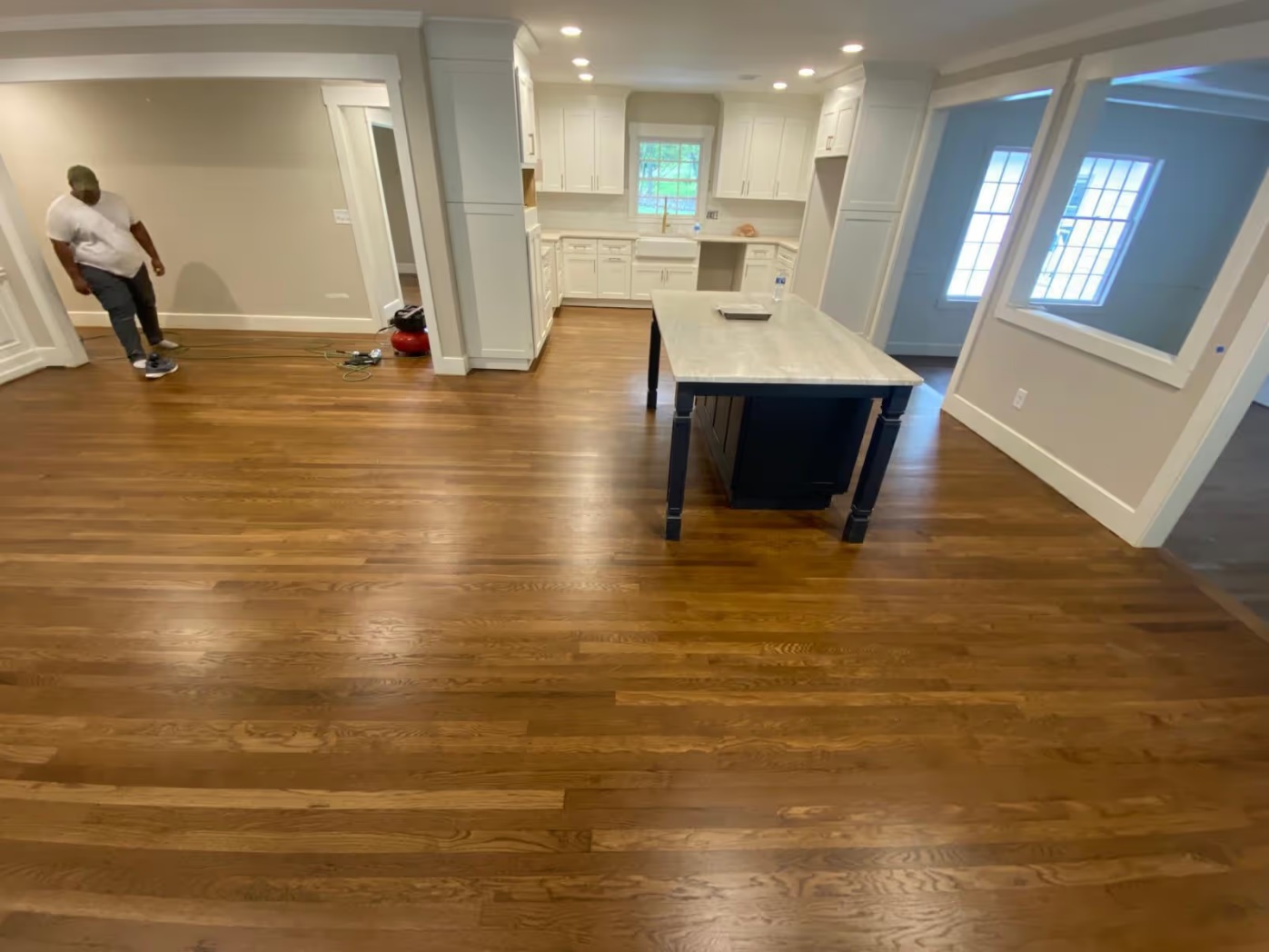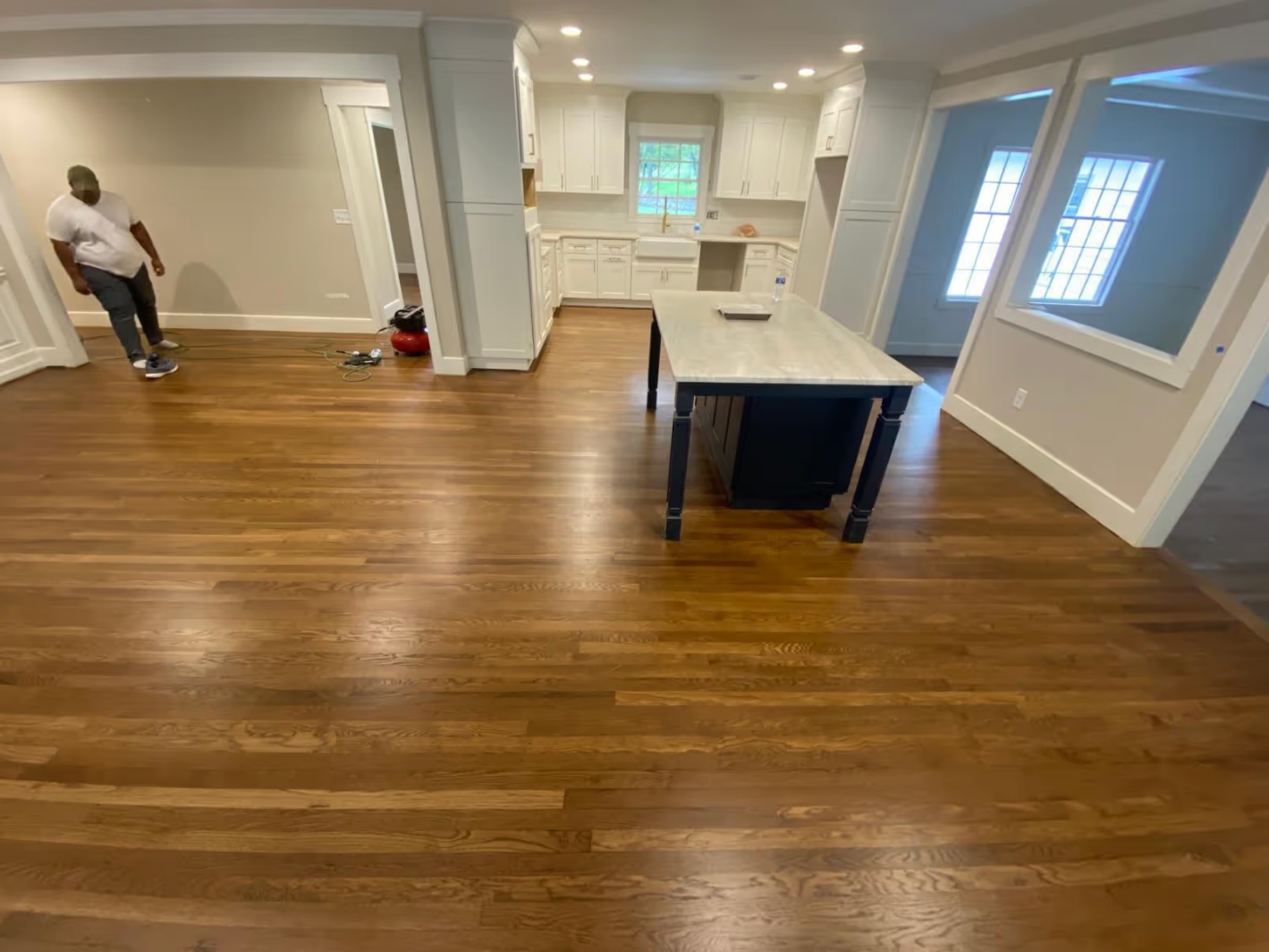
When comparing hardwood flooring options, homeowners often come across different descriptions for similar-looking products. The phrase hardwood floors is commonly used when discussing finished flooring throughout a home, while hardwood flooring can refer more broadly to the material and flooring category. Understanding the available wood species, finishes, plank sizes, and installation requirements can make the comparison easier. Looking at samples in the actual room is also helpful because natural wood can appear different depending on lighting and surrounding colors.
Start With Your Lifestyle
Before choosing hardwood flooring, think about how each room will actually be used. A quiet bedroom may have very different requirements from a busy hallway, family room, or entryway. Homes with children, pets, or frequent visitors may experience more everyday traffic and surface wear.
Think about how much maintenance you are comfortable performing as well. Some homeowners enjoy caring for natural wood and appreciate the character that develops over time. Others prefer finishes that make routine cleaning and maintenance easier.
Your lifestyle should influence the flooring decision just as much as appearance.
Consider Different Wood Species
Wood species can affect the appearance, texture, and practical characteristics of a floor. Oak is widely recognized for its familiar grain patterns, while maple can offer a cleaner and more consistent appearance. Other species can provide different tones and visual details.
Hardness is another factor worth discussing. Different woods respond differently to everyday activity, although no natural wood surface is completely immune to scratches or dents.
When comparing samples, look beyond the overall color. Examine the grain, texture, plank width, and finish because these details can significantly influence how the completed floor looks across a larger room.
Think About Room Appearance
The floor often covers a large portion of a room, so its visual effect can be substantial. Lighter wood can make a space feel open and bright, while deeper tones may create a warmer or more traditional atmosphere.
Plank width can also change the overall impression. Wider boards can create a more spacious appearance, while narrower boards may provide a more classic look.
Consider the walls, furniture, doors, cabinets, and natural lighting already present in the room. A flooring sample that looks appealing by itself may appear different once surrounded by other design elements.
Choose the Right Finish
The finish is an important part of the overall flooring system. It influences the appearance of the wood and can affect how everyday marks are seen.
Some finishes emphasize the natural grain, while others create a more uniform appearance. Sheen levels also vary, from lower-sheen options to more reflective surfaces.
For busy households, it can be useful to discuss how different finishes handle regular cleaning and everyday wear. A flooring professional can explain the maintenance expectations associated with the options being considered.
Understand Installation Requirements
Installation is another area where planning matters. Existing floors may need to be removed or prepared before new boards are installed. The condition and levelness of the subfloor can influence the installation process.
Room dimensions, transitions between flooring materials, door clearances, and trim should also be considered before work begins. A professional installer can identify these details during an assessment.
The installation method may also depend on the selected product and the structure of the home. Asking about preparation requirements beforehand can help homeowners understand the full scope of the project.
Plan for Long-Term Care
Natural wood floors can remain attractive for many years when they receive suitable care. Regular cleaning helps prevent dirt and grit from accumulating on the surface, while appropriate protective measures can reduce unnecessary wear.
Furniture pads can help protect areas beneath frequently moved pieces. Rugs or mats may also be useful in entrances where outdoor dirt and moisture are commonly introduced.
It is important to follow the care instructions associated with the particular flooring and finish. Using unsuitable cleaning products can create problems even when the underlying wood is high quality.
Compare Samples Carefully
Never rely entirely on a small online image when selecting a flooring color. Wood naturally varies in grain and tone, and lighting can make the same sample appear different throughout the day.
If possible, view physical samples inside the home. Place them near existing furniture, cabinetry, and wall colors to see how everything works together.
It can also help to look at larger samples because a small board may not accurately represent the visual effect of repeated planks across an entire room.
Conclusion
A flooring professional can help connect design preferences with practical requirements. They can discuss suitable wood species, finishes, installation conditions, and maintenance expectations based on the property. This can be especially helpful when choosing flooring for several rooms because the best option may not be identical for every area. Professional advice can also help identify installation concerns before they become part of the project. Ultimately, good flooring selection balances appearance, lifestyle, room conditions, installation requirements, and long-term care. If you are exploring options and want additional guidance for your flooring project, faustflooring.com can be a useful place to review available flooring services and take the next step toward choosing a suitable solution.