
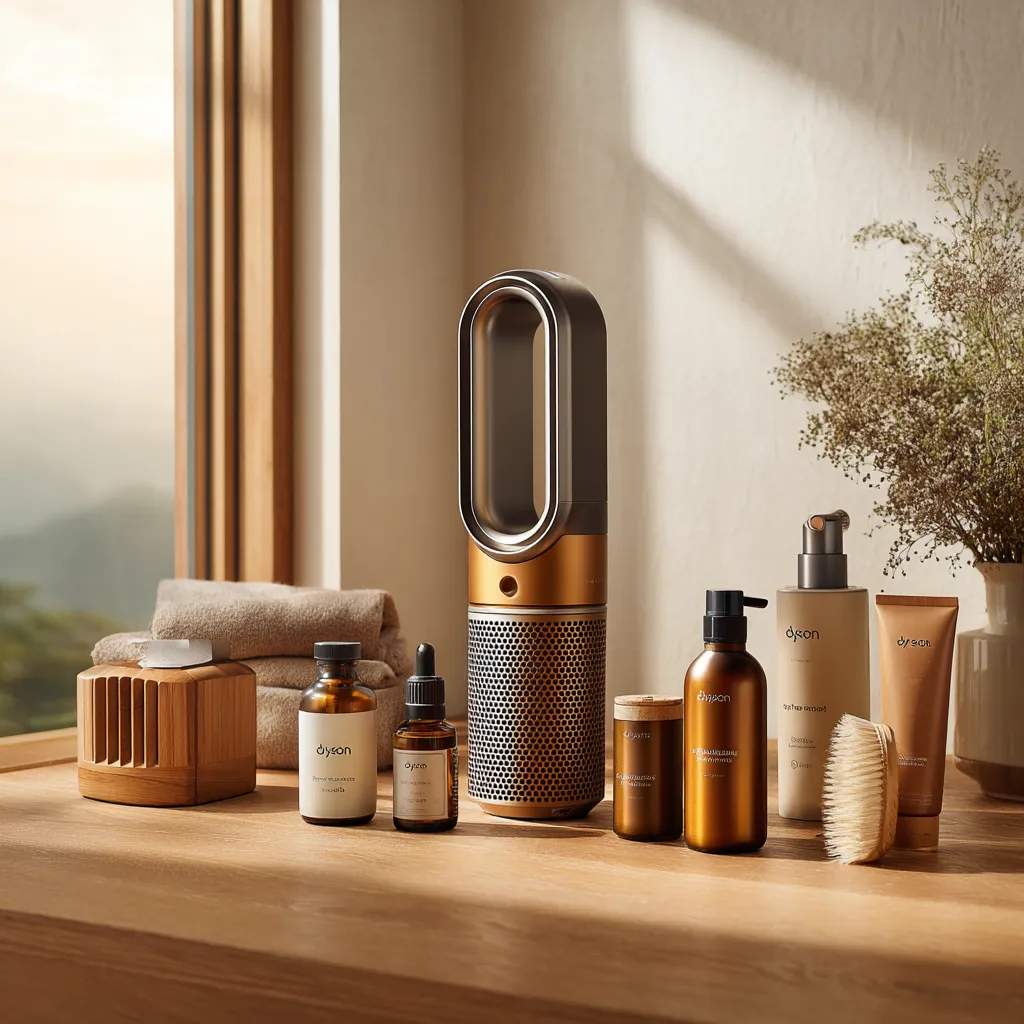
Homes can fill up with appliances that each seemed useful at the time of purchase. A blender promises faster breakfasts, a floor cleaner promises easier maintenance, and an air-quality device promises a more comfortable room. The problem is that every appliance also needs space, cleaning, power, and sometimes replacement parts. Browsing guides to the best home appliances can help buyers compare options, but the final decision should come from the home’s real routines. A good appliance earns its place by solving a repeated problem without creating more work than it removes.
Start With Frequency of Use
Before buying, imagine a normal week. How often will the product actually be used?
An appliance used every morning may deserve permanent counter space. One used twice a year probably does not. This test is especially useful with specialized kitchen tools, small cleaning devices, and single-purpose gadgets.
Think about whether the product replaces an existing task or simply adds a new capability. A food processor may save significant time for someone who cooks in batches. In a household that prepares simple meals, a knife and cutting board may already be enough.
Measure the Whole Routine
Dimensions on a product page tell you whether something can fit in a space, but not whether it can be used comfortably there.
Check how much room is needed to open a lid, remove a container, pull out a filter, access controls, or provide ventilation. Measure the route into the home as well for larger appliances.
Storage matters too. An appliance that has to be unpacked from a difficult cabinet every time may be used far less than expected.
For countertop products, think about nearby outlets and whether the cord reaches safely without creating clutter.
Treat Air Purifiers as One Tool
People often turn to air purifier reviews when comparing products for dust, pollen, smoke particles, pet-related particles, or general indoor air concerns. Buyers should still check manufacturer specifications carefully.
Room-size guidance, filter type, noise level, energy use, and replacement-filter cost all matter. A purifier that is powerful on paper may be inconvenient if it is too noisy to run regularly.
Portable air cleaners can help reduce certain airborne particles, but they do not replace controlling pollution sources, appropriate ventilation where suitable, or professional advice for health concerns.
Location also matters. A purifier needs enough open space around it to move air effectively, so the most visually convenient corner may not always be the best position.
Compare Ongoing Costs
An inexpensive appliance can become costly if it depends on proprietary bags, filters, pods, cartridges, or cleaning supplies.
Before checkout, estimate one year of ownership. Include electricity where relevant and check how often consumables are expected to be replaced.
For products with filters or wearable parts, ask whether replacements are easy to find from normal retailers. A device can become difficult to use if essential parts disappear from the market.
Warranty length and repair options also deserve attention for higher-priced appliances.
Make Cleaning Part of the Buying Decision
The easier an appliance is to clean, the more likely it is to stay in regular use.
Look for removable parts, smooth surfaces, dishwasher-safe components where appropriate, and clear maintenance instructions.
A useful pre-purchase checklist is simple:
- How long does normal cleaning take?
- Which parts need regular replacement?
- Can common components be removed without tools?
- Is there an easy place to store the product?
- Will the household realistically use it often enough?
If the answers create more work than the appliance saves, reconsider the purchase.
Do Not Pay for Unused Features
Appliances often compete by adding more modes, screens, presets, sensors, and app controls. Some are useful. Others mainly look impressive in a comparison chart.
If a household uses two settings on its current appliance, paying significantly more for twenty modes may not improve daily life.
Choose the level of complexity that matches the user.
Check Noise Before Buying
Noise is easy to overlook in product photos and specification tables. Vacuums, blenders, fans, air purifiers, and other motorized appliances can affect comfort when they run often.
Look for noise information where available and read owner feedback about everyday use. A product that performs well but is unpleasant to run may end up being used less than expected.
Conclusion
The best home appliance is not necessarily the newest or most feature-rich model. It is the one that fits the available space, solves a repeated problem, remains easy to clean, and has manageable running costs. Reviews can help buyers discover good options, but household routines should make the final decision. When every appliance has a clear job and gets used often enough to justify its space, the home becomes more functional instead of more crowded.


