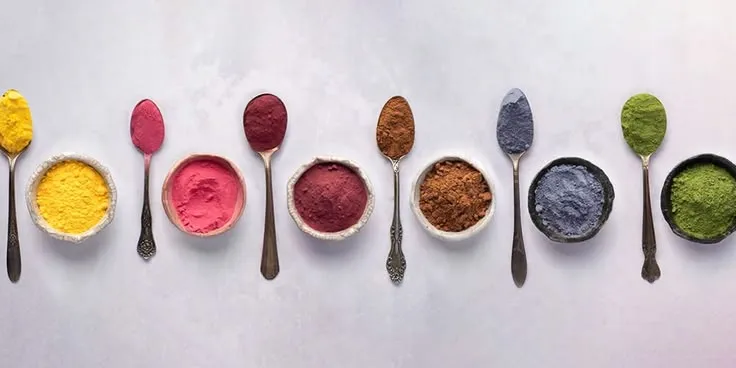
Food coloring powder is common for use in commercial food production, as it can be used to add concentrated color in a dry form. But it doesn’t depend solely on the pigment or source of color. It is important to take into account dispersion, solubility, food composition, processing conditions and the final shade desired by the manufacturers. Product developers need to understand these to choose the right powder for the product to which they are adding the natural color, rather than assuming they can substitute any natural color into any product.
Understanding the Powder Format
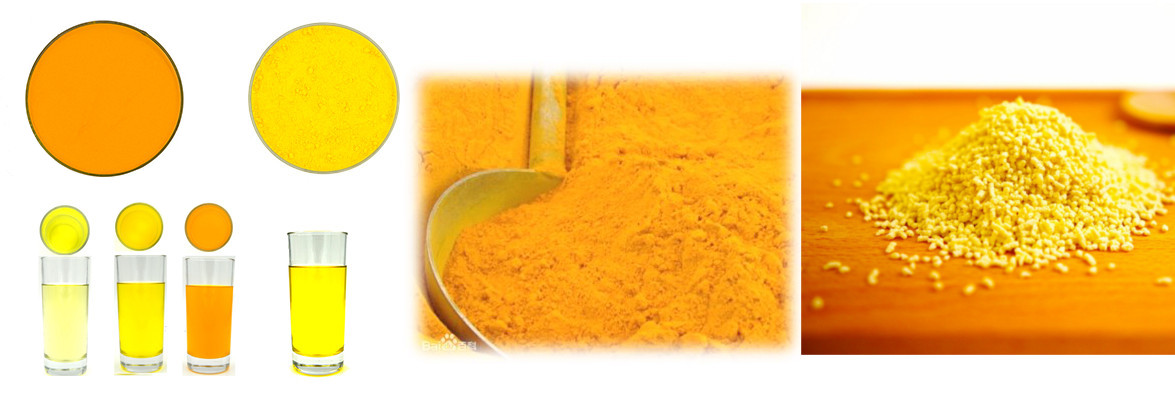
The food color powders usually consist of a concentrated coloring material along with materials which help the handling, dispersion and/or application process. It can be manufactured to create colors for either water-based or oil-based systems or for a range of more specific food systems, depending on the product.
The shape is important in the manufacturing process. A powder which is easily dispersed in one formulation can be quite difficult to handle in another. Technical specifications and applications should therefore be carefully examined before incorporating a new ingredient into production by manufacturers.
How Dispersion Affects Color
One of the initial practical issues encountered with food color powder is the even dispersion of the color into the product. Splattering can produce some uneven distribution, which can lead to lighter shades, particles, or more intense colors in certain spots.
Dispersion may be affected by the mixing method, the characteristics of the particles, the quantity of liquid and the formulation. Manufacturers can sometimes incorporate the powder into an appropriate ingredient or processing step prior to incorporation into the bulk mix in some applications.
Mixing can be assessed only during a product trial since the laboratory and commercial production equipment may be different.
Water-Based Food Applications
When the solubility and formulation properties of the natural food coloring powder are well matched with the water-based application, it can be applied.
Other foods, such as beverages, confectionery, sauces, bakery products and more, may require different needs. The appearance may be affected by acidity, sugar concentration, minerals, other ingredients and processing temperature.
Therefore, the powder should be tested directly in the product it will be used to manufacture. A color that will give the desired watercolor in a basic watercolor may have different watercolor color reactions when other ingredients are added.
Dry and Powdered Products
Special attention must be given to blending and distributing dry mixes, seasoning systems, powdered beverages, and the like. The color should be evenly distributed in the dry ingredient system and should not form patches.
Here size of the particles and mixing conditions can become important. The manufacturers need to assess the feasibility of color powder being mixed well with other dry ingredients and to determine the stability of color powder during handling and packaging.
Moisture control can also be important, as some powders can have a negative effect on the physical condition when exposed to humidity, and handling may become more difficult.
Heat and Processing Conditions
The manufacturing of food products often includes heating or baking, pasteurization, cooking or other processing steps. These can affect the way the natural colors work.
Therefore, manufacturers should take into account the processing time and temperature that are required to choose a powder. The final color should be evaluated at the end of the appropriate processing step and not only at the end of the production step.
Other effects such as the influence of pH, oxygen, light and interaction with ingredients can also have an impact on color stability. Applying the ingredient can give a clearer idea of what it will do during actual manufacturing.
Choosing the Right Powder
To make the selection, it should be based on the final application, not just on the best-looking sample. Product developers need to take into account the necessary shade, dosage, food matrix, processing conditions, dispersion properties, storage requirements and regulatory/labeling requirements.
Also, be sure to check the manufacturer’s technical documentation and suggested application range, which are helpful to review. This information can be useful for a formulation team to decide if a powder is good for laboratory trials and/or commercial production.
Conclusion
Food coloring powder could be used for many food formulations to introduce concentrated color, but the results will vary according to the complete production environment. When selecting, dispersion, solubility, processing, pH, storage and application requirements must be taken into consideration. If manufacturers are interested in testing out natural color powder solutions, they can visit FoodRGB.com to find ingredient solutions and get in touch with the appropriate technical team to discuss application needs.