
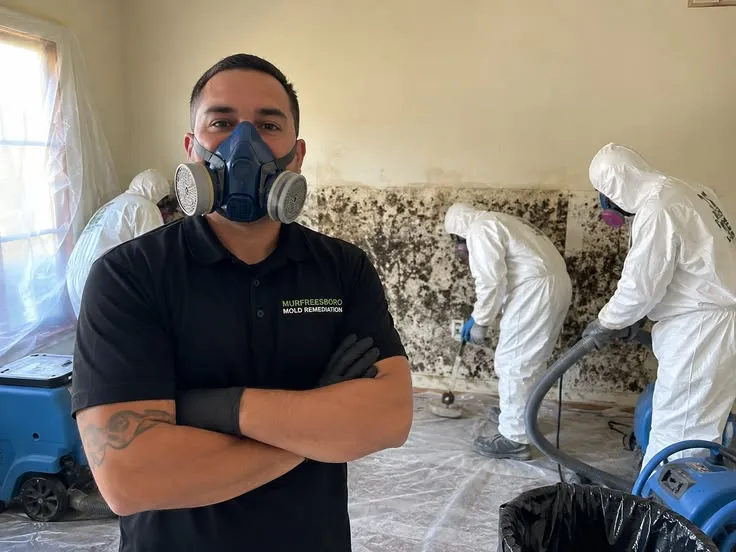
Mold problems inside an apartment building do not always remain confined to one residence. A leaking roof, damaged plumbing line, or persistent water intrusion can affect several apartments, leaving multiple households concerned about their living conditions. When residents discover similar problems, understanding how to communicate with property management becomes particularly important.
Tenants dealing with widespread contamination may consult los angeles mold contamination lawyers to understand their potential legal rights. Although several residents may experience related conditions, each household’s circumstances, exposure, and losses can differ. Recognizing these distinctions helps tenants approach the situation more effectively.
How Mold Problems Spread Between Apartments
Apartment buildings often contain shared plumbing systems, roofing structures, and concealed spaces. When water enters these areas, moisture can travel beyond the location where the original problem developed. A leaking pipe between floors, for example, may damage ceilings in one apartment and walls in another. Roof leaks can similarly affect several residences during prolonged rainfall.
However, similar stains in neighboring units do not automatically prove a common source. Professional investigation may be necessary to determine whether the problems are connected or resulted from separate conditions.
Recognizing Patterns Across Several Units
Residents sometimes discover that neighbors have experienced recurring dampness, unusual odors, or visible mold in similar locations. These shared observations may provide useful information about a building’s maintenance history. Tenants can communicate respectfully with neighbors about the conditions they have noticed without assuming that every apartment is affected equally.
Comparing the timing and location of water intrusion may help identify patterns requiring further investigation. Information should be shared voluntarily. Residents should respect one another’s privacy and avoid circulating medical details or personal documents without permission.
Coordinating Complaints Without Losing Individual Records
When several households report related concerns, organized communication may help property management understand the extent of the problem.
However, each tenant should preserve an independent record of the conditions affecting their own apartment.
Useful steps include:
-
Reporting suspected water intrusion in writing.
-
Identifying the affected rooms and visible conditions.
-
Recording when problems first appeared.
-
Keeping copies of maintenance responses.
-
Requesting clarification about planned inspections.
-
Following up when reported conditions remain unresolved.
A shared discussion among residents can provide context, but it should not replace individual maintenance requests.
Separate records may become important because the effects of mold and the landlord’s response can differ between apartments.
Understanding Building-Wide Repair Responsibilities
California landlords generally must maintain rental housing in a condition fit for human occupancy. Qualifying mold and moisture conditions may raise habitability concerns when they affect health or safety. When several units experience problems, repairs may require investigating shared building components rather than treating each visible stain separately. The appropriate work depends on the moisture source, building conditions and applicable requirements.
The presence of mold alone does not automatically establish landlord liability under California law. Responsibility depends on factors such as the seriousness of the condition, the landlord’s knowledge or legally required notice, applicable maintenance duties, and the response to reported problems.
Why Black Mold Requires Careful Evaluation
Dark-colored mold can understandably concern apartment residents, particularly when growth appears repeatedly or affects several rooms. However, color alone cannot reliably identify a mold species or establish the seriousness of a particular exposure. Residents considering a black mold attorney should understand that potential legal claims require more than identifying dark stains.
The condition of the property, maintenance history, available evidence, and legally recognized harm may all influence the assessment. People experiencing health symptoms should also seek appropriate medical guidance rather than relying on visual mold identification.
Can Several Tenants Pursue Related Claims?
When multiple residents experience potentially connected housing problems, they may wonder whether their legal concerns can be addressed together. The answer depends on the nature of the claims, the evidence, and applicable procedural rules. Some situations may involve similar factual questions, while others require separate evaluations because the affected units, losses, and relevant circumstances differ.
A shared building problem does not automatically qualify for a class action or guarantee identical legal remedies. Qualified legal advice can help residents understand whether coordinated action or individual claims may be appropriate.
Maintaining Communication During Building Repairs
Repairs affecting several apartments can disrupt access, utilities, and daily routines. Clear communication about inspection schedules and planned work helps residents prepare. Tenants should ask which areas require access and whether temporary restrictions will affect their homes.
They should also report new moisture problems promptly and avoid disturbing extensive contamination without appropriate precautions. Written updates can help reduce misunderstandings and establish what work was proposed or completed.
Conclusion
Mold affecting multiple apartments can create complicated maintenance and legal questions. Understanding possible shared moisture sources, preserving individual records, and communicating clearly can help residents evaluate their circumstances.
For Los Angeles renters dealing with widespread contamination, mehdlaw.com provides information about toxic mold and habitability claims. Professional investigation and qualified legal guidance can help tenants understand their rights without assuming that every affected household has the same legal options.


