
Indian weather rarely follows a single clothing formula. A humid morning, an air-conditioned office and a cooler evening can occur within the same working day. Men’s underlayers need to function across these changes without creating unnecessary bulk or discomfort. Rather than dressing exclusively for the temperature outside, it is useful to consider time spent indoors, outer fabric weight and daily movement. These practical details determine whether a simple base layer adds value.
Think in Temperatures, Not Calendar Labels
The same month can feel very different across Bengaluru, Jaipur and coastal cities. A thick underlayer that is helpful on a cool morning may feel excessive during a packed commute. Choose according to the conditions you actually encounter, including how often you move between indoor and outdoor settings. Breathability, garment thickness and ease of removal deserve attention. Seasonal dressing becomes more reliable when it reflects daily exposure rather than broad assumptions about winter or summer.
Keep the Base Layer Close Without Restriction
A vest should sit neatly beneath the shirt without pulling tightly around the chest or shoulders. A loose garment may gather and create an uneven outline, while a restrictive one can make sitting uncomfortable. Check both the shoulder fit and the length of the hem. Clothing should allow normal arm movement and breathing. When a base layer performs quietly, it can support the outfit without becoming an additional item that needs constant adjustment.
Use Underwear Construction to Reduce Bulk
Lower-body comfort contributes to layering just as much as vests do. When exploring jockey underwear, compare the cuts and fabric descriptions on individual listings. Briefs, trunks and longer styles interact differently with fitted trousers, particularly around the thighs. Material weight and waistband construction can also change the overall feel. Instead of choosing one cut for every outfit, identify what works with office trousers, casual denim and more relaxed clothing.
Match the Vest Neckline to Shirt Styling
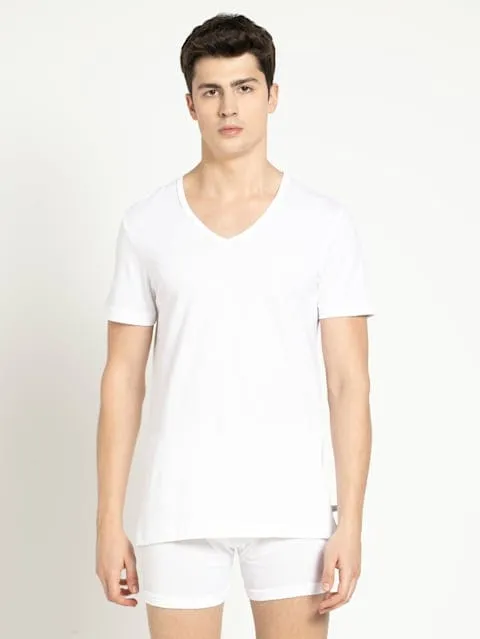
A jockey v neck vest for men can be evaluated in relation to open-collar shirts and other outer layers. The neckline may be less visible with certain shirt openings, although the result depends on exact measurements and styling. A crew neck may be preferable in other circumstances. Try combinations in daylight, especially with pale or fine fabrics. Choosing neckline depth deliberately can make a modest difference to how tidy an outfit appears.
Avoid Confusing Lightweight With Fragile
A thin fabric does not necessarily mean a poor-quality garment, just as a thick one does not automatically guarantee durability. Stitching, knit quality and care practices matter. Check whether the material retains its shape after washing and whether the edges become distorted. For everyday pieces, durability means remaining useful across repeated wear and care cycles. Select a weight that suits the climate, then judge construction independently of thickness.
Prepare for Changing Indoor Conditions
Some offices, cinemas and public transport services use strong air conditioning, creating a noticeable contrast with outdoor heat. Flexible layering can be more practical than relying on a heavy undershirt throughout the day. A light base layer paired with an outer shirt or removable top gives more options. The objective is to avoid trapping unnecessary warmth while remaining comfortable indoors. Think about the full route of the day, not just the first location.
Review What Is Already in the Drawer
Before buying seasonal basics, examine the garments you regularly wear. Separate pieces that fit well from those with stretched collars, deteriorated waistbands or uncomfortable seams. Identify which items are too warm or too light for common conditions. This review often reveals a more useful purchasing plan than starting with a large shopping basket. Replacing a few unsuitable pieces can improve an existing wardrobe without creating unnecessary duplication. Keep a note of which combinations feel suitable on the hottest days and which work better under air conditioning. Personal observations can guide future replacement choices more accurately than general descriptions of seasonal clothing.
Conclusion
Men’s layering works best when clothing follows the demands of the day. Appropriate fabric weight, a comfortable fit and careful attention to necklines can help an underlayer complement rather than complicate an outfit. There is no single garment that performs identically in every Indian climate. Shoppers considering practical branded essentials can explore siomestore.com for current listings, compare construction and sizing details, and select pieces that align with their usual environments.