
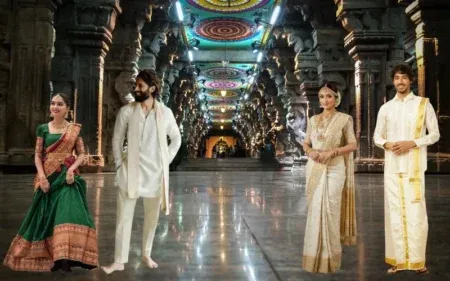
Traditional ethnic wear continues to offer many possibilities for festive dressing. abestoutfit.com provides inspiration for exploring ethnic outfits, modern styling ideas, and practical choices for celebrations. Sarees, kurtas, lehengas, salwar suits, sherwanis, and regional garments each bring their own character. Some people prefer traditional combinations, while others enjoy mixing familiar clothing with modern details. Both approaches can work when the outfit feels suitable for the occasion. Ethnic clothing also varies considerably across regions, fabrics, embroidery methods, and garment shapes. Choosing something simply because it appears popular may not always produce a comfortable result. The fabric, fit, movement, and personal preferences deserve equal attention. A well-selected outfit can feel festive without becoming overly complicated. Small styling decisions often make traditional clothing more personal and useful.
Understanding Traditional Garments
Traditional garments offer different shapes and styling possibilities for festive occasions. Sarees provide flexibility through draping styles, blouse designs, and fabric choices. Lehengas combine skirts with blouses and dupattas, creating several options for decoration and colour. Salwar suits may include different trouser shapes, necklines, and dupatta arrangements. Kurtas can be worn with trousers, churidars, palazzos, or other suitable bottoms. Sherwanis and traditional jackets can provide a formal appearance for men. Regional clothing also includes many styles that may be less familiar outside their communities. The important point is choosing clothing that suits the event and feels comfortable. Learn how the garment is normally worn before experimenting with unusual combinations. Understanding its structure helps prevent styling choices that make movement difficult or disturb the original design.
Refreshing Saree Combinations
A saree can look different through changes in the blouse, jewellery, footwear, and draping style. A simple saree may become more festive with a decorative blouse. A heavily embroidered saree can work better with understated accessories. Choose blouse fabric that complements the saree without creating an uncomfortable combination. Sleeve length and neckline should also suit the event and personal preference. The blouse needs a proper fit because tight stitching can become uncomfortable during long functions. Check whether the shoulder area allows natural arm movement. Try the complete saree combination before the celebration begins. Walk and sit to make sure the pleats remain manageable. A suitable underskirt and secure fastening can also make wearing a saree easier. The final appearance should feel elegant while remaining practical throughout the event.
Styling Lehengas With Balance
Lehengas can create a strong festive appearance through their skirt shape, blouse design, and dupatta arrangement. Some styles feature heavy embroidery, while others use simple fabric with decorative borders. When the skirt already contains detailed work, the blouse and accessories can remain relatively simple. A plain lehenga may allow a more decorative blouse or statement jewellery. Consider the skirt length because excessive fabric can become difficult to manage while walking. The waistband should feel secure without creating unnecessary pressure. Try the complete outfit with the footwear planned for the event. This helps confirm whether the hemline works correctly. Dupatta placement should allow comfortable movement and should not require constant adjustment. A balanced lehenga combination can look festive without adding decoration to every available area.
Choosing Comfortable Kurta Sets
Kurta sets are practical for people who want traditional clothing with relatively simple styling. They can include straight trousers, palazzos, churidars, or relaxed bottom designs. Fabric choice makes a noticeable difference when the outfit will be worn for several hours. Cotton blends and lightweight materials may suit warm daytime functions. Silk blends and embroidered fabrics can work well for more formal celebrations. Check the shoulder fit and sleeve length before purchasing. The kurta should allow comfortable movement when sitting or raising your arms. Pay attention to the trouser length because fabric that touches the ground may become dirty. A contrasting dupatta can refresh a simple kurta set. Footwear and accessories should support the outfit without making it feel crowded. A well-fitted kurta can be reused for several family occasions.
Adding Modern Styling Elements
Modern accessories can update traditional clothing without removing its original character. A structured belt may change the shape of a suitable dress or saree. Contemporary footwear can create a different appearance with traditional trousers. A simple jacket may make a kurta combination more formal. Men can explore modern waistcoats, pocket squares, and understated jewellery. Women may experiment with layered necklaces, decorative bags, or different blouse shapes. These details should be selected according to the garment rather than added automatically. Too many modern elements can sometimes make the combination feel disconnected. Begin with one noticeable change and review the complete outfit. The goal is creating a personal combination that remains appropriate for the occasion. Traditional clothing can evolve through styling without losing its familiar appeal.
Selecting Jewellery And Accessories
Jewellery can complete ethnic clothing, but the amount should suit the garment. Heavy necklaces may work with simple necklines, while detailed blouses can look better with smaller pieces. Earrings, bangles, rings, and bracelets should also remain comfortable during extended wear. Some celebrations involve several hours of movement, greeting guests, and taking photographs. Very heavy accessories may become distracting during these activities. Men can consider watches, brooches, traditional footwear, and suitable pocket details. Handbags should be large enough for essential belongings without becoming difficult to carry. Match accessories through related colours or materials rather than requiring exact copies. Keep one main accessory as the focus when the outfit already contains decoration. A few carefully selected pieces often create a cleaner finish than wearing everything together.
Respecting Regional Clothing Details
Ethnic clothing often carries regional meaning through its fabric, patterns, colours, and construction. Some garments are associated with particular celebrations or local traditions. Understanding these details can make festive dressing more thoughtful. When attending a cultural event, consider whether specific clothing expectations have been shared. Ask someone familiar with the tradition when you are unsure about appropriate styling. Avoid treating every regional garment as a simple fashion trend. Traditional weaving, embroidery, and printing methods can represent considerable skill and cultural history. Supporting local artisans may also provide access to distinctive clothing. Look at the quality of the work and ask about fabric care before purchasing. Respectful styling allows personal expression while recognising the traditions connected with the garment.
Keeping Ethnic Outfits Useful
Traditional outfits can often be reused when their combinations are changed thoughtfully. A familiar kurta may look different with another dupatta or pair of trousers. A saree can be restyled with a contrasting blouse. A festive jacket may work with several simple outfits. Choose garments that can be separated and combined with other wardrobe pieces. Neutral bottoms and classic accessories often provide additional flexibility. Store delicate clothing carefully to protect embroidery and fabric surfaces. Check the care label before washing or ironing. Some garments require professional cleaning, particularly when they contain detailed decoration. Repair loose threads and damaged hooks before storing them. Keeping traditional clothing in good condition makes future festive planning easier.
Conclusion
Traditional ethnic wear provides many ways to express personal style during celebrations. Sarees, lehengas, kurtas, salwar suits, and regional garments can all be styled with thoughtful modern details. Comfortable fit, balanced accessories, and suitable fabric remain important throughout the process. Choose clothing that respects the occasion while allowing your personality to remain visible. Explore more ethnic styling ideas and create combinations that make traditional festive dressing feel fresh and comfortable.
Read also :-


