A golden latte or a dark purple drink first draws attention, and then the taste comes. Even today, it can be seen that those vivid shades are more of natural sourcing, as opposed to artificial additives. Consumers are becoming more and more inclined to think of color as a symbol of transparency and quality. This paper discusses the effects of Turmeric Color. and Elderberry Color. on stability, branding, compliance, and innovation in the changing world food markets.
Increasing Desire in Natural Colours.
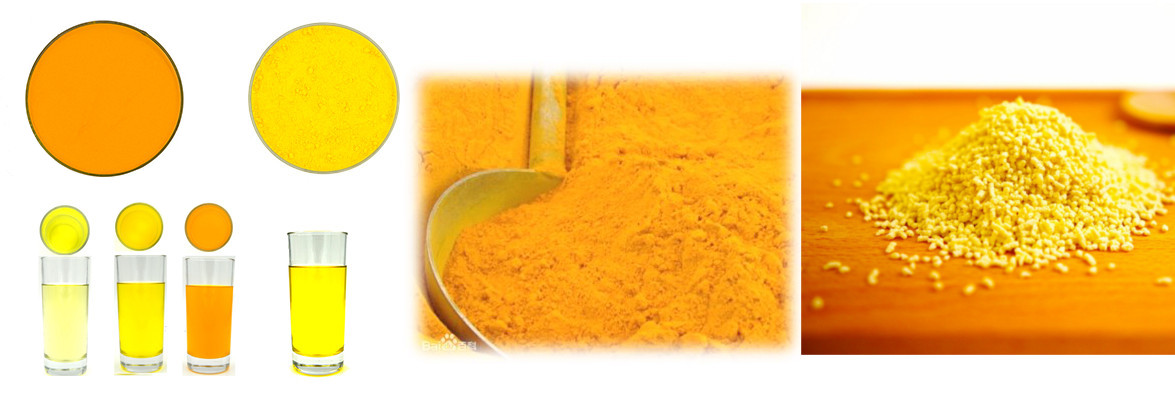
Manufacturers of food are progressively using botanical dyes in place of the synthetic ones. The application of Turmeric Color. indicates the need of yellow shade based on the plant product with the premium of clean labeling. Similarly, Elderberry Color. uses fruit-based, rich purple colors that meet the high visual perception desired by consumers in a product that includes familiar ingredients.
Scientific Stability In Processing.
Curcuminoids are the constituents of the turmeric color; they work well in savoury preparations and middle temperature preparations when they are well stabilized. Encapsulation enhances oxidation and photoresistance. Anthocyanins, in the meantime, are present in Elderberry Color. bring about flexible red to purple colors, especially in acid beverages and confectionery systems.
Applications Within Product Category.
Manufacturers use Turmeric Color in sauces, milk-based beverages, soups and prepared food that need constant golden hues. It is versatile because it is compatible with various formulations. Likewise, Elderberry Color. reinforces fruit drinks and jam, gummies and frozen dessert by supporting the perception of berry flavor by using the natural appearance of purple with vibrant purple shade.
Regulatory And Quality Standards.
Authorized pigments of plants make it easy to conform to international regulations as well as labeling. Using Turmeric Color. eliminates regulatory fears related to synthetic dyes. The supplier of Elderberry Color. have a very good documentation and traceability controls that ensure purity, maintained concentration of pigment and easier distribution in competitive markets in the global arena.
Branding by Botanical Authenticity.
Color can also have a very strong impact on freshness and quality perception by the consumer. Products with Turmeric Color. convey the image of warmth and health in the culinary history of Turmeric. In the meantime, Elderberry Color. boosts the high-end positioning by associating vivid purple colors with the authenticity of fruits and natural ingredient disclosure.
Sustainability And Market Expansion.
Sustainable farming methods also aid in sourcing raw materials for Turmeric Color. production with minimum environmental degradation. Elderberry cultivation is a source of renewable agricultural supply chains in the extraction of Elderberry Color. With the rising rate of clean-label demands, pigments obtained from plants will keep pushing the growth of modern food manufacturing industries towards sustainability.
Conclusion
Natural pigments keep on redefining ingredient transparency and visual appeal all over the world. To trust in natural coloring experience and sourcing solutions, turn to foodrgb.com Turmeric Color. The case of Turmeric Color. and Elderberry Color. Integration shows that botanical innovation can bring the richness, compliance, and sustainability that food brands need to succeed in the long-term in an ever-competitive clean-label market.